Intermittent fasting program review
Eat Stop Eat Review: A Simpler Approach to Weight Management?
Tired of complicated food rules? Eat Stop Eat takes a different approach: focus on when you eat rather than building your entire week around a restrictive menu.
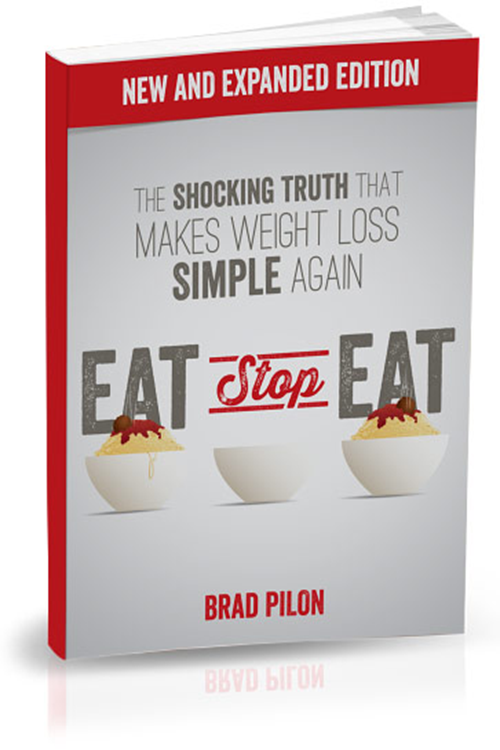
Created by Brad Pilon, Eat Stop Eat is an intermittent fasting approach built around occasional 24-hour breaks from eating. Its appeal is clear: a defined framework without requiring a daily eating window or a branded meal-replacement product.
But simple does not automatically mean easy—or suitable for everyone. This review explores the program’s appeal, its limitations, and the questions to answer before purchasing.
Editorial review of the advertised approach, not a firsthand results report or a clinical evaluation. No specific weight-loss result is promised.
What Is Eat Stop Eat?
Eat Stop Eat is a book-based intermittent fasting program developed by Brad Pilon. Its central method involves one or two nonconsecutive 24-hour fasting periods per week, with eating between those periods.
Unlike a daily 16:8 schedule, it does not center on restricting every day’s food intake to an eight-hour window. Instead, it concentrates the fasting requirement into selected periods during the week.
The method is not a supplement, a prepared-meal service, or a guarantee that you can eat unlimited amounts and still lose weight. Overall food intake, nutritional quality, and long-term consistency still matter.
How Does the Approach Work?
The defining feature is a 24-hour interval without caloric intake. For example, a dinner-to-dinner interval ends at dinner the following day; it does not mean skipping food for an entire calendar day plus the nights on either side.
The program places these periods on nonconsecutive days when used twice weekly. Outside them, the emphasis returns to eating rather than extending the fast indefinitely.
This explains the method, not a personalized recommendation to follow it. A 24-hour fast is a significant dietary change, and its suitability depends on your health, medicines, nutritional needs, and relationship with food.
Eat Stop Eat should not be used as punishment for eating or as a way to “undo” a meal. If fasting triggers guilt, loss-of-control eating, or preoccupation with food, this approach is not a good fit.
What Are You Paying For?
The core purchase is educational material explaining Pilon’s approach to intermittent fasting. The practical value lies in having the method and its rationale organized in one place rather than trying to assemble guidance from scattered online posts.
You are not purchasing a personalized medical assessment, individually calculated nutrition plan, or guaranteed transformation. The basic fasting concept is also publicly available, so the buying decision comes down to whether the author’s explanation and presentation are worth the cost to you.
Review the current seller page for the exact edition, delivery format, included resources, and any optional offers. Do not assume that bonuses described in an older review are still included.
Eat Stop Eat at a Glance: Responsive Review Chart
Brad Pilon.
One or two nonconsecutive 24-hour fasting periods per week.
A defined fasting framework instead of a daily restricted eating window.
Educational guidance about the approach; confirm the current package before ordering.
Overall energy intake, adequate nutrition, suitability, and consistency.
A full 24-hour fast may be difficult, disruptive, or medically inappropriate.
No specific amount or timeline is guaranteed by this review.
Potentially useful as organized education for suitable adults, not an essential purchase or a universal solution.
This is a feature-and-consideration chart, not a clinical effectiveness score.
Why Eat Stop Eat May Appeal to You
A Clear Central Idea
The concept is easy to describe. If complicated diet systems leave you overwhelmed, having one main framework to evaluate may feel more manageable.
No Daily Eating Window
Unlike daily time-restricted eating, the approach does not require the same shortened eating window every day. That distinction may appeal to people who dislike organizing every morning and evening around the clock.
No Branded Food Required
The central method does not depend on purchasing a branded shake, snack, or supplement. Its appeal lies in the eating schedule rather than a proprietary product you must repeatedly reorder.
Room to Evaluate Your Preferences
Some adults prefer a defined timing rule to a detailed food list. Others find timing restrictions more burdensome. Understanding that difference can help you choose a more realistic approach.
Can Eat Stop Eat Help With Weight Loss?
Fasting can reduce opportunities to eat, which may help some people reduce overall calorie intake. However, the outcome depends on what happens across the whole week—not just during the fasting interval.
If someone compensates by eating substantially more afterward, a fasting schedule may not produce the intended calorie reduction. Nutritional adequacy and a sustainable relationship with food also remain important.
This review does not establish that the branded Eat Stop Eat program produces a particular result or is superior to other appropriate weight-management approaches. Research about intermittent fasting generally should not be treated as proof of every claim made for a specific commercial program.
The strongest buying argument is therefore not “guaranteed fat loss.” It is whether this particular explanation and structure can help you make an informed, appropriate choice.
The Strengths and Limitations
Potential Strengths
- A straightforward concept that is easy to understand.
- No requirement for a daily restricted eating window.
- No dependence on branded meal replacements.
- Educational material organized around one recognizable method.
Important Limitations
- A simple rule can still be difficult to follow.
- Long fasting periods may interfere with work, exercise, or social meals.
- The method does not automatically ensure adequate nutrition.
- It may encourage compensatory eating or food preoccupation in vulnerable people.
- It is not suitable for everyone and does not replace individualized care.
Who Should Avoid Fasting or Get Medical Advice First?
Intermittent fasting is not appropriate for children and teenagers, people who are pregnant or breastfeeding, or people with a current or previous eating disorder. If you are underweight or have difficulty meeting your nutritional needs, do not use this program as a self-directed weight-loss strategy.
Speak with your healthcare professional before considering fasting if you have diabetes, kidney disease, heart disease, low blood pressure, another significant medical condition, or take regular medicines. Insulin and certain other diabetes medicines can cause dangerous low blood sugar when meals are skipped.
Do not change medicine doses or skip medicine to accommodate a fasting schedule. Medicines that need food or specific timing require individualized advice.
Do not push through faintness, confusion, severe weakness, or other concerning symptoms to complete a fast. Stop fasting and seek medical help as appropriate; severe symptoms or loss of consciousness require urgent care.
Eat Stop Eat vs. Daily Intermittent Fasting
The main difference is where the restriction falls. Eat Stop Eat uses longer, occasional fasting intervals; daily time-restricted eating uses a shorter eating window on a recurring daily schedule.
Neither format is automatically better for your lifestyle or health. Someone who prefers regular daily meals may dislike a 24-hour fast, while another person may find daily clock-watching inconvenient.
There is also a third option: no fasting schedule at all. A balanced eating plan with regular meals may be more appropriate and easier to maintain. You do not need to fast to pursue weight-management goals.
Before You Buy: A Practical Checklist
- Decide whether you want education about fasting or a personalized nutrition service; they are not the same purchase.
- Review whether fasting is appropriate for your medical situation and relationship with food.
- Consider whether a 24-hour interval would realistically fit your work, family, and activity schedule.
- Read the current product description and confirm the exact materials included.
- Check the total price, delivery details, refund terms, and any optional extras.
- Compare the paid guide with reputable free information before deciding whether the organization adds enough value.
- Choose based on suitability and clarity, not urgency or dramatic transformation claims.
Price and Purchase Terms
Visit the seller’s current page for live pricing and package details. This review does not quote a price, discount, or refund guarantee because those terms can change.
Before paying, read the written refund policy and confirm whether any additional offers are optional. Save the terms and order confirmation so you know what you purchased and how to request support.
A useful guide can be worth paying for, but purchasing more information is not the same as finding a method that fits your needs.
Our Review Verdict: Is Eat Stop Eat Worth Considering?
Eat Stop Eat is most compelling as a clearly defined educational approach for adults who are medically suitable for fasting and want to understand Brad Pilon’s method. Its simplicity and lack of required branded foods are meaningful selling points.
Its greatest limitation is also central to the concept: a 24-hour fast is a substantial restriction, not a minor scheduling adjustment. For some people it may be impractical; for others it may be unsafe.
Our verdict: consider the program for its organized explanation, not as a guaranteed shortcut. If fasting is appropriate for you and this format matches your preferences, the guide may deserve a place on your shortlist. If it does not fit, choosing another approach is a sensible decision—not a failure.
Frequently Asked Questions
What is Eat Stop Eat?
Eat Stop Eat is Brad Pilon’s intermittent fasting approach built around one or two nonconsecutive 24-hour fasting periods per week. The associated educational material explains the method and its rationale.
Is Eat Stop Eat the same as 16:8 fasting?
No. A 16:8 schedule generally involves a daily eight-hour eating window and a 16-hour fasting interval. Eat Stop Eat uses occasional 24-hour intervals instead.
Does a 24-hour fast mean two days without food?
No. A 24-hour interval runs from one point in the day to the same time the next day, such as dinner to dinner. That is different from skipping an entire calendar day plus the surrounding nights.
How much weight will I lose?
No specific amount can be promised. Results depend on overall intake, individual circumstances, consistency, and whether the approach is sustainable and appropriate for you.
Can I eat unlimited amounts between fasting periods?
No. A fasting schedule does not remove the importance of overall food intake. Eating substantially more afterward can offset the calorie reduction the fasting period was intended to create.
Do I need special supplements or meal replacements?
The central Eat Stop Eat method does not require a branded meal replacement or supplement. Do not assume that an optional product advertised alongside a guide is necessary.
Can I use Eat Stop Eat if I have diabetes?
Do not start this fasting approach without discussing it with your diabetes care team. Skipping meals can cause dangerous low blood sugar with insulin and some other medicines, and medicine changes should never be made on your own.
Is it suitable during pregnancy or breastfeeding?
No. Intermittent fasting is not appropriate during pregnancy or breastfeeding because nutritional needs and safety take priority over restrictive weight-loss schedules.
What if I have a history of disordered eating?
Avoid this fasting approach. Restriction can reactivate or worsen harmful eating patterns. Seek guidance from a qualified professional who understands eating disorders rather than using fasting as a weight-control strategy.
Do I have to fast to lose weight?
No. Fasting is one possible eating pattern, not a requirement. A balanced, sustainable approach with regular meals can also support weight-management goals.
Is buying the guide necessary to understand the basic idea?
No. The basic method is publicly described. The reason to buy is the value you place on the author’s organized explanation and the current included materials, not exclusive access to the concept.
How much does Eat Stop Eat cost?
Check the current seller page for the live price and package contents. Review any optional offers and the written refund policy before purchasing.
Is this a firsthand Eat Stop Eat review?
No. This is an editorial assessment of the advertised approach, its appeal, and its practical limitations. It does not claim personal weight-loss results or include fabricated testimonials.
Explore the Method Before Making Your Decision
If you want a clearer explanation of Brad Pilon’s approach, review the current Eat Stop Eat offer and see whether its educational materials match what you are looking for.
Choose information over hype, suitability over pressure, and a sustainable plan over a promise of instant results.
Check current pricing, included materials, and purchase terms. Fasting is not suitable for everyone, and results are not guaranteed.
delarado.com