Proper nutrition is the foundation of good health, and key nutrients play an essential role in supporting every system within the body. From maintaining healthy muscles and bones to supporting immune function and cognitive performance, consuming the right balance of vitamins, minerals, proteins, healthy fats, and carbohydrates helps promote overall wellness. Whether obtained through whole foods or quality nutritional supplements when appropriate, key nutrients are vital for maintaining long-term health and supporting an active lifestyle.
Every cell in the human body depends on essential nutrients to function efficiently. While the body can produce some compounds on its own, many nutrients must come from food or supplementation. Modern diets often lack adequate amounts of important vitamins and minerals due to processed foods, busy lifestyles, or dietary restrictions. Understanding the importance of key nutrients allows individuals to make informed dietary choices that contribute to improved health, energy, and disease prevention.
Purpose of Key Nutrients
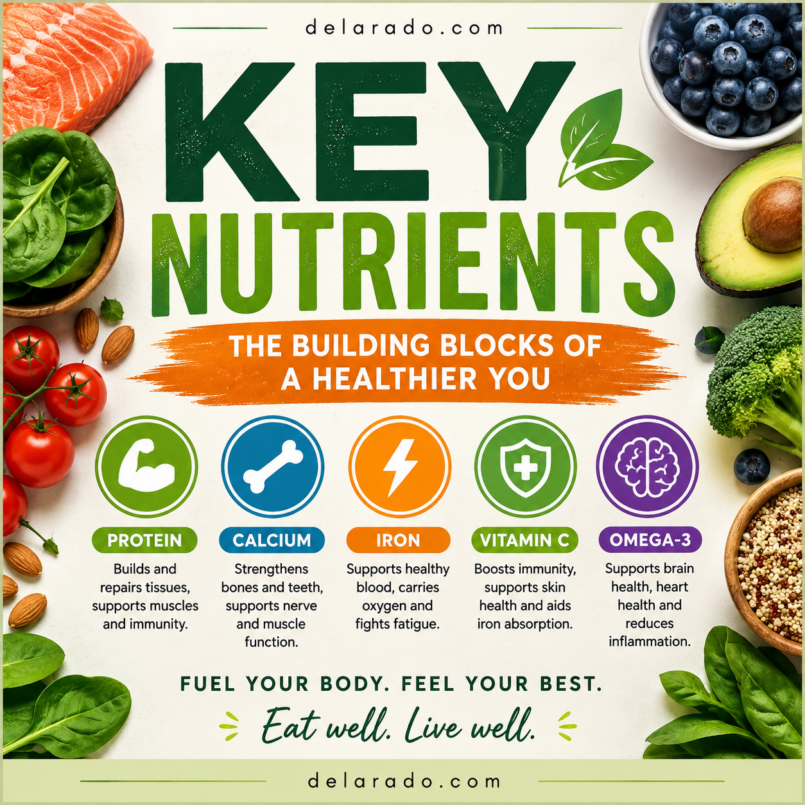
The primary purpose of key nutrients is to provide the body with the essential building blocks required for growth, repair, energy production, immune defense, and proper organ function. Every nutrient performs specific biological functions that work together to keep the body operating efficiently. Without sufficient intake of these nutrients, physical performance, mental clarity, and overall health may gradually decline.
Who Are Key Nutrients For?
Key nutrients are important for nearly everyone regardless of age or lifestyle. Children require adequate nutrition for proper growth and development, while adults need balanced nutrition to maintain health and reduce the risk of chronic disease. Older adults often benefit from increased attention to specific nutrients that support bone density, muscle maintenance, and cognitive function. Athletes, physically active individuals, vegetarians, vegans, pregnant women, and people recovering from illness may have increased nutritional requirements depending on their individual circumstances.
Benefits of Key Nutrients
- Supports healthy heart function and circulation.
- Maintains strong bones and healthy teeth.
- Builds and repairs muscle tissue.
- Provides sustained daily energy production.
- Supports immune system health.
- Promotes healthy brain function and memory.
- Improves skin, hair, and nail health.
- Supports healthy metabolism.
- Enhances digestive function.
- Helps maintain healthy vision.
- Supports healthy hormone production.
- Contributes to healthy aging and longevity.
Target Audience
- Health-conscious adults
- Fitness enthusiasts
- Athletes
- Seniors
- Busy professionals
- Students
- Vegetarians and vegans
- Individuals focused on preventive health
- People seeking balanced nutrition
Key Features
- Supports overall body function.
- Essential for energy metabolism.
- Promotes healthy immune response.
- Supports cardiovascular wellness.
- Improves muscle recovery.
- Maintains bone strength.
- Supports healthy nervous system function.
- Encourages healthy cognitive performance.
- Widely available through whole foods and nutritional supplements.
- Suitable for long-term healthy lifestyle support.
Pros and Cons
| Pros | Cons |
|---|---|
| Supports overall health. | Benefits require consistent daily intake. |
| Improves energy production. | Individual nutritional needs vary. |
| Strengthens immune function. | Poor dietary habits can reduce effectiveness. |
| Supports brain and heart health. | Some individuals may require professional dietary guidance. |
| Promotes healthy aging. | Supplements should not replace a balanced diet. |
Daily Use
Meeting daily nutritional requirements begins with consuming a balanced diet rich in vegetables, fruits, lean proteins, whole grains, healthy fats, dairy or fortified alternatives, nuts, seeds, and legumes. Drinking adequate water, maintaining regular physical activity, and limiting highly processed foods further supports nutrient absorption and overall wellness. When dietary intake alone is insufficient, nutritional supplements may help fill specific nutrient gaps under the guidance of a healthcare professional.
Conclusion and General Buy Recommendation
Key nutrients are fundamental to maintaining overall health, supporting normal body functions, and promoting long-term wellness. Consistent intake through a balanced diet, combined with appropriate supplementation when needed, can help maintain energy, strengthen immunity, support cardiovascular and brain health, and encourage healthy aging. For individuals seeking to improve their nutritional foundation and support everyday health, investing in high-quality, nutrient-rich foods and reputable nutritional supplements represents a worthwhile choice as part of a healthy lifestyle.
If you’d like, I can also format this review with **SEO-optimized headings, schema-friendly HTML, and WordPress styling** suitable for publishing on your website.
Here’s a good set of **Top 10 Buyer Questions** that fit naturally at the end of your article and are SEO-friendly.
Top 10 Buyer Questions About Key Nutrients
1. What are the most important key nutrients the body needs every day?
The body requires a variety of essential nutrients each day, including protein, healthy fats, carbohydrates, vitamins, minerals, fiber, and water. These nutrients work together to support energy production, immune health, muscle function, brain performance, and overall wellness.
2. Can a healthy diet provide all of the nutrients the body needs?
A balanced diet rich in fruits, vegetables, lean proteins, whole grains, dairy or fortified alternatives, nuts, and seeds can supply most essential nutrients. However, some individuals may benefit from supplements due to age, dietary restrictions, medical conditions, or increased nutritional demands.
3. Are nutritional supplements necessary?
Supplements are not always necessary for everyone, but they can help fill nutritional gaps when dietary intake is insufficient. High-quality supplements should complement a healthy diet rather than replace nutrient-rich foods.
4. Which nutrients are most important for maintaining energy?
B vitamins, iron, magnesium, protein, and complex carbohydrates all play significant roles in energy production. Maintaining adequate intake of these nutrients helps support steady energy levels throughout the day.
5. Which nutrients help strengthen the immune system?
Vitamin C, Vitamin D, Zinc, Selenium, Vitamin A, and protein all contribute to normal immune function. Eating a nutrient-rich diet helps the body defend itself against illness while supporting healthy recovery.
6. What nutrients support healthy bones and joints?
Calcium, Vitamin D, Magnesium, Phosphorus, Vitamin K, and adequate protein help maintain strong bones and support healthy joints throughout life.
7. Which nutrients are best for brain health?
Omega-3 fatty acids, B vitamins, Vitamin E, antioxidants, iron, and magnesium help support memory, concentration, cognitive function, and overall brain health.
8. Can proper nutrition help support healthy aging?
Yes. Consuming a balanced intake of essential nutrients supports heart health, brain function, muscle strength, bone density, immune function, and cellular repair, all of which contribute to healthy aging.
9. How can someone tell if they have nutrient deficiencies?
Common signs may include fatigue, weakened immunity, poor concentration, muscle weakness, brittle nails, hair loss, or slow wound healing. Persistent symptoms should be evaluated by a qualified healthcare professional, who may recommend appropriate testing.
10. What should buyers look for when choosing nutritional supplements?
Look for reputable manufacturers that follow quality standards, provide transparent ingredient labels, use evidence-based formulations, and undergo third-party testing whenever possible. Products should be selected based on individual nutritional needs and used as part of a balanced diet.