Dietary supplements can help fill certain nutritional gaps, but they are not a substitute for balanced meals, healthy routines, prescribed treatment, or personalized medical advice. This guide explains how supplements work, when they may be useful, and how to make safer choices.
What Are Dietary Supplements?
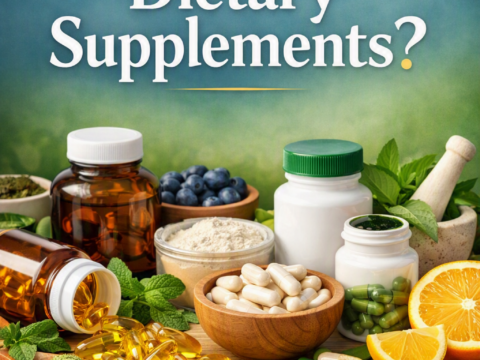
Dietary supplements are products intended to add nutrients or other ingredients to your diet. They are commonly sold as capsules, tablets, gummies, powders, drinks, liquids, and bars.
Common types of supplements include:
- Vitamins, such as vitamin D, vitamin B12, and vitamin C
- Minerals, such as iron, calcium, magnesium, zinc, and potassium
- Protein powders and amino acids
- Omega-3 and other fatty-acid supplements
- Herbal and botanical products
- Probiotics
- Pre-workout, sleep, energy, and multi-ingredient wellness products
A product being labeled “natural” does not automatically mean it is safe, necessary, or effective for everyone.
Can Supplements Replace Healthy Food?
No. Supplements are designed to supplement a diet, not replace it. Whole foods provide nutrients along with fiber, protein, carbohydrates, fats, fluids, and other beneficial compounds that supplements cannot fully reproduce.
Before adding a supplement, review the basics:
- Are meals varied and nutrient-rich?
- Are you getting enough protein, fruits, vegetables, whole grains, and healthy fats?
- Are sleep, hydration, movement, and stress management being addressed?
- Could a symptom be related to an underlying health condition?
For many goals, improving food habits, sleep, training, or medical care may be more helpful than adding another product.
When Supplements May Be Helpful
A supplement may be appropriate when there is a specific, evidence-based reason to use it. This could include a confirmed nutrient deficiency, a restrictive eating pattern, increased needs during certain life stages, or a recommendation from a qualified clinician.
Consider discussing supplements with a doctor, pharmacist, or registered dietitian if you:
- Have a lab-confirmed nutrient deficiency
- Are pregnant, breastfeeding, or planning pregnancy
- Follow a vegan, vegetarian, or highly restrictive diet
- Have a digestive condition or history of surgery affecting nutrient absorption
- Experience heavy menstrual bleeding or have concerns about iron status
- Take regular prescription or over-the-counter medications
- Have kidney, liver, heart, hormonal, or autoimmune conditions
The goal should be to identify a real need and use the simplest safe solution, rather than taking many products “just in case.”
How Supplements Are Regulated
In the United States, dietary supplements are regulated differently from prescription and over-the-counter medicines. Supplements generally do not need approval for safety or effectiveness before they are sold.
That means consumers should be cautious with claims that sound medical, dramatic, or guaranteed. A supplement label, celebrity endorsement, social-media review, or large number of online ratings does not prove that a product works.
Be cautious of products that claim to:
- Cure, treat, prevent, or diagnose a disease
- Cause rapid or guaranteed weight loss
- Replace medication or medical treatment
- Provide instant energy, muscle gain, or detoxification
- Work for everyone without risks or side effects
- Create guaranteed health, performance, or appearance results
Supplement Safety Risks
Supplements can affect the body, which means they can also cause side effects, interact with medicines, or create problems when taken in high amounts. Risk can increase when you take multiple products, use high doses, or use a supplement for a long time without reassessing whether it is needed.
Medication Interactions
Some supplements may interact with prescription medicines, over-the-counter drugs, anesthesia, or laboratory tests. Interactions may affect bleeding, blood sugar, blood pressure, heart rhythm, sleep, mood, or how your body processes medicine.
Tell your healthcare team about all products you take, including:
- Vitamins and minerals
- Herbal products
- Protein and workout powders
- Energy drinks and pre-workouts
- Sleep aids
- Gummies and “wellness” blends
- Teas, extracts, and liquid drops
Too Much of a Nutrient
More is not always better. High doses can create side effects, and overlapping products can cause you to take more of an ingredient than you realize.
For example, a person might take a multivitamin, an immune-support powder, a pre-workout drink, and fortified foods without noticing that several contain the same vitamins or minerals.
Multi-Ingredient Products
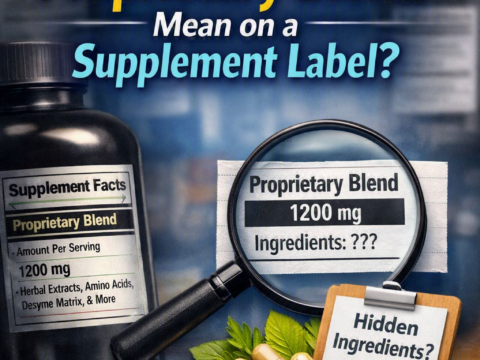
Products that combine many ingredients can make it difficult to know what you are taking or what caused a side effect. Be especially careful with proprietary blends that do not list the amount of each ingredient.
How to Read a Supplement Label
Read the entire label before purchasing or taking a supplement. The front of a bottle is marketing; the Supplement Facts panel provides more useful information.
- Serving size: Check whether one serving is one capsule, two capsules, one scoop, or more.
- Amount per serving: Look at the actual amount of each ingredient.
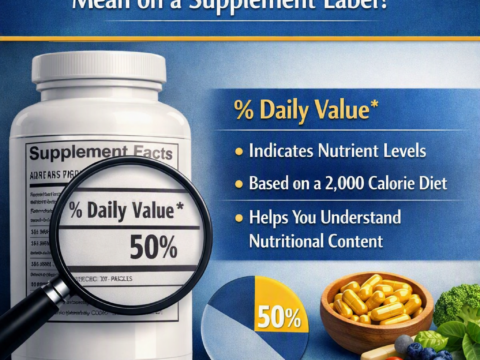
- Percent Daily Value: This can help you understand how much a nutrient contributes to a typical daily target.
- Other ingredients: Review for allergens, sweeteners, caffeine, gelatin, or additives that matter to you.
- Warnings: Read age limits, medication cautions, pregnancy warnings, and recommended use instructions.
- Expiration date: Avoid expired products or products stored in damaged packaging.
Do not exceed the recommended serving unless a qualified healthcare professional has given you specific instructions.
How to Choose a Higher-Quality Product
Quality matters because supplements can vary in ingredient accuracy, purity, and manufacturing standards. Choose products with transparent labels and avoid brands that rely mainly on exaggerated promises.
Look for:
- Clear ingredient amounts instead of vague proprietary blends
- A complete Supplement Facts panel
- Lot numbers and expiration dates
- Clear manufacturer contact information
- Third-party testing or certification when available
- Realistic claims that explain limitations
Third-party testing may add confidence that a product contains what its label says and has been checked for selected quality concerns. However, certification does not guarantee that the supplement is appropriate, effective, or safe for every individual.
How to Evaluate Supplement Claims
Marketing often makes supplements sound more powerful than the available evidence supports. Strong decisions should be based on the specific ingredient, dose, goal, evidence, and safety considerations—not on hype.
Before buying, ask:
- What exact result am I expecting from this product?
- Is there credible research involving people and this specific ingredient?
- Is the amount in this product similar to the amount studied?
- Does the research apply to my age, health status, and goal?
- What are the possible side effects and interactions?
- Is there a food, lifestyle, or medical approach that should come first?
- How will I know whether the supplement is actually helping?
Testimonials and before-and-after stories are not reliable proof. A person may improve because of changes in sleep, diet, exercise, medication, time, or placebo effects rather than the supplement itself.
A Safer Way to Start a Supplement
If you decide to try a supplement, use a simple process that makes it easier to monitor safety and results.
- Define your goal. Choose a specific goal rather than a vague goal such as “better health.”
- Check whether you need it. Consider your diet, health history, symptoms, medications, and appropriate professional guidance.
- Research the ingredient. Learn about potential benefits, limits, dose, side effects, and interactions.
- Choose a transparent product. Look for clear labels, reasonable doses, and quality signals.
- Start one product at a time. Avoid starting several supplements on the same day.
- Follow the directions. Do not exceed the labeled serving.
- Monitor your response. Pay attention to benefits, side effects, sleep changes, digestive symptoms, skin reactions, or mood changes.
- Reassess regularly. Keep products that have a clear purpose and benefit; reconsider products that do not.
Who Should Be Extra Careful?
Some people should get individualized guidance before using supplements, especially high-dose or herbal products.
- Pregnant or breastfeeding people
- Children and teenagers
- Older adults
- People taking prescription medicines
- People with chronic medical conditions
- People with kidney or liver disease
- People preparing for surgery or medical procedures
- Competitive athletes subject to anti-doping rules
Special caution is important with products marketed for weight loss, sexual performance, bodybuilding, extreme energy, sleep, hormone support, or “detoxification.”
Common Supplement Mistakes to Avoid
- Taking products because they are trending online
- Assuming natural ingredients are automatically harmless
- Using supplements instead of medical treatment
- Combining several products with overlapping ingredients
- Using high doses without a clear reason
- Trusting dramatic promises or guaranteed outcomes
- Starting multiple new products at once
- Ignoring side effects or warning labels
- Buying products with hidden ingredient amounts
- Continuing a supplement indefinitely without reviewing whether it helps
What to Do if You Have a Bad Reaction
Stop taking the supplement if you believe it is causing a side effect. Contact a healthcare professional for guidance, especially if symptoms are unusual, persistent, or worsening.
Seek urgent medical care for serious symptoms such as:
- Trouble breathing
- Swelling of the face, lips, tongue, or throat
- Chest pain
- Fainting or severe dizziness
- Severe rash or signs of an allergic reaction
- Confusion, seizures, or sudden severe weakness
- Unusual bleeding
Keep the product bottle, label, lot number, receipt, and a list of other medicines or supplements you have taken. These details may help a healthcare professional evaluate the situation.
Supplement Safety Checklist
- Choose supplements for a specific reason.
- Prioritize nutritious food and healthy routines first.
- Check all medications and health conditions for possible interactions.
- Read the Supplement Facts panel and serving instructions.
- Avoid unnecessary high doses and overlapping ingredients.
- Choose transparent products with clear labeling.
- Be skeptical of guaranteed, rapid, or disease-treatment claims.
- Start one new supplement at a time.
- Stop and seek guidance if side effects occur.
- Review regularly whether the product is still useful.
Final Takeaway
Supplements can be useful tools when they address a real need, are chosen carefully, and are used responsibly. The best approach is simple: know why you are taking a product, understand what it contains, use an appropriate dose, watch for interactions and side effects, and avoid treating supplements as a shortcut or replacement for healthcare and healthy habits.
Further Reading
- What Does Third-Party Tested Mean for Supplements?
- What Does Standardized Extract Mean for Herbal Supplements?
- What Does Proprietary Blend Mean on a Supplement Label?
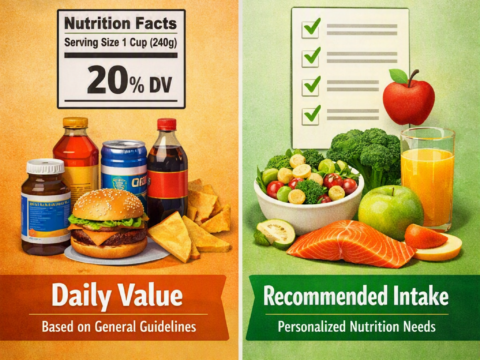
- Daily Value vs. Recommended Intake: What Is the Difference?
- What Does Percent Daily Value Mean on a Supplement Label?
- How to Read a Supplement Facts Label: A Complete Guide
- What Should I Know Before Taking Any New Supplement?
- Do Supplements Replace a Balanced Diet?
- What Are the Differences between vitamins, minerals, herbs and supplements?
- What Are Dietary Supplements?
- Supplement Basics and Safety: A Complete Beginner’s Guide