Selenium is an essential trace mineral that helps protect your cells from damage, supports thyroid function, and keeps your immune system working well. It’s needed in only small amounts, but getting enough each day is important for long-term health.
Benefits of selenium
One of selenium’s main jobs is acting as an antioxidant, helping control free radicals and reduce oxidative stress in the body. This matters because oxidative stress is linked to aging and chronic conditions such as heart disease and some cancers.
Selenium is also important for thyroid health because it helps produce and regulate thyroid hormones, which affect metabolism, energy, and body temperature. It supports immune function too, helping the body respond more effectively to illness and infection. Research also suggests selenium may support fertility, brain health, and cognitive function, especially when intake is too low.
Minimum daily requirements of selenium
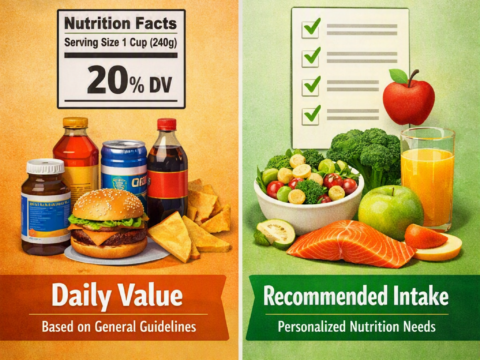
For most adults, the recommended daily amount is 55 micrograms per day. During pregnancy, the recommendation rises to 60 micrograms per day, and during breastfeeding it increases to 70 micrograms per day.
Children need less than adults, with needs increasing as they grow older. Most people can meet their selenium needs through a balanced diet that includes foods such as seafood, meat, eggs, grains, and Brazil nuts, so supplements are usually not necessary unless a healthcare professional recommends them.
Simple takeaway
Selenium is a small mineral with a big job: it helps protect cells, supports thyroid and immune health, and contributes to overall wellness. For most adults, 55 micrograms per day is enough to meet basic needs.
Top 10 Foods With Selenium
1. Brazil Nuts
Brazil nuts are the richest natural source of Selenium. Vitamin D helps regulate calcium and phosphorus, enhancing Selenium’s antioxidant role and supporting immune defense.
2. Tuna
Tuna provides Selenium and Vitamin D together, promoting thyroid balance, muscle recovery, and cellular protection against oxidative stress.
3. Eggs
Eggs contain Selenium and Vitamin D naturally. This combination supports hormone regulation, bone health, and energy metabolism.
4. Salmon
Salmon offers Selenium, Vitamin D, and omega‑3s. These nutrients work together to strengthen immunity and protect cells from damage.
5. Sunflower Seeds
Sunflower seeds provide Selenium and magnesium. Vitamin D helps balance these minerals, improving nerve and muscle function.
6. Chicken
Chicken is a lean source of Selenium. Vitamin D aids in nutrient absorption and supports muscle and immune health.
7. Brown Rice
Brown rice contains Selenium and complex carbohydrates. Vitamin D helps regulate metabolism and enhances energy release.
8. Mushrooms
Mushrooms are rich in Selenium and can produce Vitamin D when exposed to sunlight, supporting bone and immune health.
9. Cottage Cheese
Cottage cheese provides Selenium and protein. Vitamin D helps the body use these nutrients efficiently for muscle repair and energy.
10. Spinach
Spinach offers Selenium and antioxidants. Vitamin D enhances absorption, promoting cellular protection and metabolism.