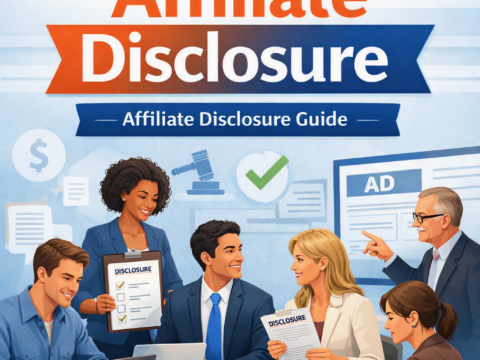
You do not always need to personally use a product before mentioning or recommending it as an affiliate, but you must never imply that you used, tested, reviewed, achieved results from, or personally endorse a product if that is not true. The most trustworthy approach is to be transparent about the basis of your recommendation.
If you have used a product, you can describe your real experience, use case, observations, and limitations. If you have not used it, you can create a research-based overview, comparison, or buyer guide using verified information—but you should clearly say that you have not personally tested it and avoid unsupported claims.
Who Is This Topic For?
This guide is for affiliate marketers, bloggers, YouTubers, newsletter writers, social-media creators, niche website owners, product reviewers, consultants, course creators, and beginners deciding how to recommend affiliate products honestly.
This Article Is Helpful If You Want To:
- Recommend products ethically
- Write research-based affiliate content
- Create honest product reviews
- Understand firsthand experience requirements
- Compare products you have not used
- Write clear affiliate disclosures
- Avoid fake reviews
- Use official product information responsibly
- Create buyer guides and comparison content
- Build audience trust
Do You Need to Use a Product First?
Not always. You can create useful content about a product category, compare published features, explain pricing structures, summarize official documentation, or help people understand what to look for before buying. However, you should not present research as firsthand experience.
What You Can Do Without Personal Use
- Explain what a product category does
- Create a buyer guide
- Compare published features
- Explain pricing models
- Summarize official documentation
- Compare product requirements
- List questions customers should ask before buying
- Discuss product alternatives
- Create a research-based overview
- Explain who a product may be designed for
What You Should Not Do Without Personal Use
- Claim that you tested the product
- Say “I use this every day” if you do not
- Say the product produced results for you
- Show fake screenshots or demonstrations
- Write a fake first-person review
- Claim a product is easy to use based only on marketing copy
- Guarantee performance or results
- Create fake customer stories
- Use AI-generated testimonials as real evidence
- Present a product as better than alternatives without support
Honest Research-Based Statement
I have not personally used this product. This overview is based on the company’s published features, pricing information, documentation, and other available research. Review the current product details directly before deciding whether it fits your needs.
Transparency is more important than pretending to have direct experience.
Why Personal Experience Can Help
Provides Real Context
Using a product may help you explain how it works in practice, what setup involves, what features are useful, where friction occurs, and who may benefit most.
Helps You Identify Limitations
Firsthand use can reveal practical details that are not obvious from a sales page, such as setup complexity, user interface issues, support quality, export limits, workflow gaps, or hidden costs.
Supports Better Tutorials
When you use a product, you may be able to create original screenshots, screen recordings, product demonstrations, setup guides, troubleshooting videos, and real use-case examples.
Can Build Stronger Trust
Audiences may find a recommendation more useful when you clearly explain how you used the product, what worked, what did not, and who might have a different experience.
Helps You Answer Questions
Personal experience can help you answer practical questions from readers or viewers about setup, common mistakes, feature use, support, pricing, and limitations.
Can Improve Product Fit
Testing a product may help you identify whether it is suitable for beginners, advanced users, small businesses, teams, creators, local businesses, or a specific use case.
Risks of Personal Experience
Your Experience Is Not Universal
A product that works well for you may not fit another person’s budget, technical skill, location, device, business model, accessibility needs, or goals.
Products Change Over Time
Features, pricing, interfaces, product quality, service levels, policies, and support can change after you use a product. Update old reviews when information changes.
Free Products Can Create Bias
If a company gave you a free product, discount, early access, payment, or another benefit, disclose that relationship clearly when recommending the product.
Testing Can Be Expensive
Personally testing every product in a niche may be expensive or impractical. You may need to choose a smaller number of core products to test deeply and create research-based content for others.
Some Products Require Expertise
Health, financial, legal, safety, security, insurance, supplement, and other sensitive products may require professional knowledge or extra caution. Personal use does not make you qualified to give professional advice.
Reviews Can Become Outdated
A detailed review based on an older version of a product may no longer reflect the current feature set or pricing model. Add review dates and update content regularly.
Benefits of Research-Based Affiliate Content
Lets You Cover More Relevant Topics
You can help readers understand products, features, pricing, alternatives, and buying criteria without personally purchasing every product available.
Supports Buyer Guides
Research-based content can explain what a buyer should compare before choosing a product category, such as web hosting, email platforms, cameras, software, or project management tools.
Can Help Beginners Understand Options
A well-researched comparison can help someone narrow their choices and identify what information they should verify before buying.
Works Well for Broad Product Categories
Some product categories have many options. Research-based content can provide a clear overview before you create in-depth first-hand reviews of selected products.
Can Be Updated Efficiently
Research-based articles can be updated as product features, prices, and policies change, provided you verify the information carefully.
Can Complement Firsthand Reviews
You can create a content library that includes both research-based buyer guides and first-hand reviews of products you have actually tested.
Risks of Research-Based Content
Marketing Copy Can Be Incomplete
Merchant websites usually emphasize benefits and may not explain every limitation, support issue, compatibility concern, or real-world workflow challenge.
You May Miss Practical Details
Without product use, it can be harder to evaluate setup difficulty, interface quality, support response time, reliability, workflow friction, or real-world performance.
It Is Easy to Sound Like You Tested Something
Writing in first person, using “I recommend,” showing product screens without context, or describing performance confidently can imply personal experience even if you did not use the product.
Information May Be Outdated
Product prices, features, free plans, terms, and support options can change quickly. Verify current information before publishing and update regularly.
Competitor Content May Be Wrong
Do not rely on competitor review articles as your primary source. They may contain outdated facts, unsupported claims, copied information, or undisclosed bias.
Research Does Not Support Broad Claims
You should not claim that a product is “the best,” “easiest,” “most reliable,” or guaranteed to create results unless you have a clear, supportable basis for the claim.
Three Types of Affiliate Content
Firsthand Review Content
This content is based on your personal experience using the product.
Examples
- I Used This Tool for 30 Days: What I Learned
- How I Set Up My WordPress Website With This Host
- My Workflow for Editing Videos With This Tool
- What I Liked and Did Not Like About This Camera
Research-Based Content
This content is based on verified product information, documentation, pricing, features, comparisons, and public details—not your personal use.
Examples
- What Should Beginners Compare Before Choosing Email Marketing Software?
- Web Hosting Features Explained for New Website Owners
- How to Compare Course Platforms Before Buying
- What Is the Difference Between Shared and Managed Hosting?
Hybrid Content
This content combines your experience with a product category and verified information about multiple products.
Examples
- How I Choose Tools for a New WordPress Website
- What I Look for in an Email Platform as a Small Business Owner
- My Camera Buying Checklist for Beginner Travel Creators
- How I Compare Project Management Tools for Freelancers
Hybrid content can be especially useful because it gives readers your decision-making framework without pretending you personally tested every option.
How to Write a Firsthand Review
Step 1: State Your Use Case
Explain why you used the product and what you were trying to accomplish.
Example
I used this email platform to create a signup form, deliver a free checklist, and send a short welcome sequence to new website-planning subscribers.
Step 2: Explain What You Tested
Be specific about the features, tasks, time period, workflow, or settings you tested.
Examples
- Created a landing page
- Built an email signup form
- Sent a newsletter
- Created a five-email automation
- Tested mobile checkout
- Used a video editor for captions
- Created a WordPress backup
Step 3: Explain What Worked
Describe benefits in the context of your use case. Avoid presenting your experience as a universal result.
Example
For my small list and simple workflow, the landing page builder and automated delivery email were easy to set up. A larger business with advanced segmentation needs may need more options.
Step 4: Explain Limitations
Discuss what you found difficult, what features were missing, what took time, what costs more, or who may not be a good fit.
Step 5: Disclose the Relationship
Tell the audience if you may earn a commission, received the product for free, received compensation, or have another material relationship with the company.
Step 6: Update the Review
Update the review when the product changes, your use case changes, pricing changes, or important limitations become clear.
How to Write Research-Based Content
Step 1: State the Content Basis
Tell readers whether the content is based on research rather than personal testing.
Example
This guide is based on published product information, current pricing pages, documentation, and available feature details. I have not personally tested every platform included.
Step 2: Use Reliable Sources
Review official product pages, pricing pages, documentation, terms, support articles, user guides, policies, and other direct information from the company.
Step 3: Compare Useful Criteria
Compare products based on factors that matter to the audience, such as price, ease of use, support, features, integrations, export options, accessibility, device compatibility, and limitations.
Step 4: Avoid Unsupported Rankings
Do not call a product “the best” unless you clearly explain what it may be best for. Use more specific language, such as “may suit beginners,” “may fit smaller teams,” or “may be worth comparing for users who need this feature.”
Step 5: Include Alternatives
Explain when another product may fit better. Different audiences need different features, price points, support levels, and workflows.
Step 6: Add Disclosure
Clearly disclose affiliate relationships near relevant recommendations or links.
Step 7: Add an Update Date
State when the information was last reviewed and remind readers that features and pricing can change.
How to Avoid Misleading Product Claims
Affiliate content should describe products accurately. Do not turn marketing copy or personal opinion into a guaranteed claim.
Claims to Avoid
- This product guarantees sales
- This tool will make you money automatically
- This is the best product for everyone
- This product always works
- You will rank number one with this tool
- This product is risk-free
- This supplement will cure a condition
- This course guarantees income
- This software is perfect for every business
- You will get the same results I did
Safer, More Accurate Language
- This product may be useful for…
- This tool includes features for…
- This option may suit beginners who need…
- Consider comparing this product if you want…
- This may not fit users who need…
- My experience was based on…
- Product features and pricing can change…
- Review current details directly before purchasing…
Example
Misleading: “This hosting provider will make your website fast and successful.”
More accurate: “This hosting provider includes performance and support features that may suit beginner WordPress users. Website speed and business results depend on many factors, including website setup, content, traffic, and technical configuration.”
How to Use Product Screenshots and Demonstrations
Screenshots and demonstrations can make affiliate content more useful, but use them honestly and only when you have the right to use the material.
If You Personally Use the Product
- Use original screenshots where permitted
- Remove private information
- Do not show customer data
- Explain what the screenshot demonstrates
- Use current product screens
- Do not edit screenshots to create false results
If You Do Not Use the Product
- Use official screenshots only when permitted
- Credit or attribute material if required
- Do not imply the screenshot is from your own account
- Do not create fake dashboards
- Do not use unrelated interface images
- Do not create AI-generated product interfaces as real evidence
Screenshot Label Example
Example interface image shown for illustration. Features and layout may change; review the current product website for the latest information.
Visuals should clarify the content, not create a false impression about your personal experience or product results.
Step-by-Step Product Recommendation Process
Step 1: Choose a Real Audience Question
Start with a question your audience is asking. Do not begin with the goal of promoting a product.
Examples
- What should beginners compare before choosing web hosting?
- How do I choose an email marketing platform?
- What is the best way to plan a content calendar?
- What should I look for in a beginner camera?
- How do I choose a project management tool?
Step 2: Decide Whether You Have Firsthand Experience
Be honest about whether you personally used the product, tested it, received it for free, researched it, or learned about it through official materials.
Step 3: Choose the Right Content Format
| Situation | Useful Content Format |
|---|---|
| You personally used a product | Firsthand review, setup tutorial, workflow video |
| You researched several products | Buyer guide, comparison article, product category guide |
| You want to teach decision-making | Checklist, framework, comparison worksheet |
| You want to explain a product category | Beginner guide or explainer |
| You want to show different options | Alternatives article or comparison video |
Step 4: Research and Verify Details
Check official information, pricing, features, terms, refund rules, support details, compatibility, and limitations.
Step 5: Create Original Content
Write or record your own explanation. Add examples, checklists, product fit guidance, limitations, alternatives, and relevant decision factors.
Step 6: Add Disclosure
Clearly disclose if you may earn a commission or received a product, discount, payment, or other benefit.
Step 7: Add a Relevant Link
Use an approved affiliate link only where it helps the audience take a relevant next step.
Step 8: Update Content Over Time
Review old content for pricing changes, feature updates, product availability, affiliate terms, broken links, and outdated screenshots.
Example: Firsthand Review Structure
Title
My Experience Using [Product] for [Specific Task]
Outline
- Affiliate disclosure
- Why I tried the product
- What I used it for
- What I tested
- What worked for my use case
- What was difficult or limited
- Who may benefit from it
- Who may not benefit from it
- Pricing and current plan considerations
- Alternatives
- Relevant affiliate link
- Last reviewed date
Example Statement
I used this tool to create landing pages, collect newsletter signups, and send a short welcome email sequence. For my simple workflow, it was easy to set up. However, users who need advanced CRM features or complex automations may need to compare other platforms.
This is more useful than a generic statement such as “This tool is amazing for everyone.”
Example: Research-Based Review Structure
Title
Is [Product] Good for [Specific Audience]?
Outline
- Affiliate disclosure
- Research basis statement
- Who the product is designed for
- Published features
- Pricing and plan considerations
- Potential benefits
- Potential limitations
- Alternatives
- Questions to ask before buying
- Relevant affiliate link
- Last reviewed date
Example Statement
I have not personally used this product. This overview is based on publicly available product information, pricing pages, feature documentation, and support materials. Check the current website for updated details before purchasing.
Research-based content can be valuable when it clearly explains what it is and does not pretend to be a firsthand review.
Example: Buyer Guide Structure
Title
How to Choose [Product Category] for [Specific Audience]
Outline
- Affiliate disclosure
- Who this guide is for
- What the product category does
- Features to compare
- Pricing considerations
- Support and usability
- Common buyer mistakes
- Recommended options by use case
- Alternatives
- Frequently asked questions
- Affiliate links with clear context
Example
Before choosing WordPress hosting, compare customer support, backup options, renewal pricing, performance features, migration support, security tools, and room to grow. Different plans may fit different types of websites.
Buyer guides are often useful because they help people make a decision even if they choose a product you do not promote.
How to Build Trust Without Using Every Product
Be Transparent
State whether content is based on personal use, research, a free product, sponsorship, or affiliate relationship.
Explain Your Criteria
Show readers how you evaluate products. For example, explain that you compare price, support, features, backups, accessibility, integrations, and ease of use.
Include Limitations
Explain who may not benefit from the product and when an alternative may work better.
Recommend Fewer Products
It is often better to recommend a smaller number of well-researched, relevant products than to list every available affiliate option.
Use Research as a Starting Point
When possible, test core products in your niche over time. Start with research-based buyer guides, then add firsthand tutorials and reviews as you gain experience.
Update Content
Keep pricing, features, links, screenshots, alternatives, and recommendations current. Remove products you no longer recommend.
Respond to Questions Honestly
If someone asks whether you used a product, answer clearly. Do not avoid the question or imply experience you do not have.
Products That Require Extra Caution
Some product categories can affect a person’s health, finances, safety, legal rights, or security. Personal use alone may not make you qualified to recommend them.
Use Extra Caution With:
- Health products
- Supplements
- Medical devices
- Financial products
- Investment tools
- Insurance products
- Legal services
- Security tools
- Safety equipment
- Products for children
- Gambling products
- Credit repair or debt products
Safer Approach
- Use accurate verified information
- Avoid professional advice outside your expertise
- Do not make outcome guarantees
- Use appropriate disclaimers
- Encourage people to seek qualified professional advice when needed
- Disclose affiliate relationships clearly
- Review legal and platform requirements carefully
Do not use affiliate marketing to make serious health, financial, legal, or safety claims that you cannot support.
Programs That Can Help
Affiliate Program Dashboards
Affiliate dashboards can provide approved links, product information, commission details, promotional rules, reporting, payment information, and notices about program changes.
Official Product Documentation
Official product pages, pricing pages, support articles, terms, user guides, and feature documentation can provide a better starting point for research-based content than unverified third-party reviews.
WordPress
WordPress can help create product reviews, buyer guides, comparisons, tutorials, disclosure pages, update notices, resource libraries, and affiliate content categories.
Google Search Console
Google Search Console can help identify audience questions, search queries, content opportunities, and pages that may need updates.
Google Analytics
Google Analytics can help measure traffic, engagement, outbound-link activity, email signups, and visitor behavior when configured appropriately.
Canva
Canva can help create comparison graphics, buyer checklists, lead magnets, product diagrams, video visuals, thumbnails, social posts, and educational resources.
YouTube Studio
YouTube Studio can help publish tutorials and reviews, add descriptions, manage captions, update video information, and review audience feedback.
Email Marketing Tools
MailerLite, ConvertKit, Brevo, Mailchimp, and similar platforms can help deliver lead magnets, send educational sequences, share product updates, and include clear affiliate disclosures.
Common Mistakes
Claiming You Used a Product When You Did Not
Do not write in first person, use “my review,” show fake screenshots, or describe a personal workflow unless you actually used the product.
Copying Merchant Sales Copy
Do not copy a product’s marketing page and call it a review. Add original context, audience fit, limitations, comparisons, examples, and research.
Using Fake Testimonials
Do not create fake customer reviews, AI-generated testimonials, invented case studies, false screenshots, fabricated ratings, or misleading results.
Making Unsupported Claims
Do not promise guaranteed income, sales, traffic, rankings, health outcomes, financial results, legal outcomes, or product performance.
Hiding Affiliate Relationships
Disclose affiliate relationships clearly near recommendations and links. Do not hide them in a footer or separate legal page.
Ignoring Product Limitations
Explain who a product is for, who it may not suit, what it does well, what it does not include, and when an alternative may be better.
Using Outdated Information
Review prices, plans, features, screenshots, affiliate links, refund policies, alternatives, and support information regularly.
Relying Only on Competitor Reviews
Competitor content may be outdated, biased, copied, or inaccurate. Use official sources and your own analysis instead of repeating someone else’s claims.
Reviewing Sensitive Products Without Expertise
Do not make serious recommendations about health, finance, legal matters, safety, insurance, or supplements without appropriate knowledge, verification, and compliance care.
Assuming a Free Product Is a Neutral Review
If a brand gave you a product, discount, payment, or access, disclose the relationship clearly. Free access can still affect how people evaluate your recommendation.
Frequently Asked Questions
Do I need to use a product before recommending it as an affiliate?
No, not always. You can create research-based buyer guides, comparisons, and product overviews. However, you should never imply that you personally used or tested a product if that is not true.
Can I write an affiliate review without using the product?
You can write a research-based overview, but avoid calling it a firsthand review. Explain that the content is based on published product information, documentation, pricing, and other verified sources.
Should I disclose that I have not used a product?
Yes, when the audience could reasonably assume you used or tested the product. A clear research-based statement helps prevent confusion.
What should I say if I have not used a product?
You can say: “I have not personally used this product. This overview is based on published product information, pricing, documentation, and available research. Review current details directly before purchasing.”
Can I recommend products based on research?
Yes, if you are transparent about the research basis, verify information carefully, avoid unsupported claims, explain limitations, include alternatives, and disclose affiliate relationships.
Can I use official product screenshots if I have not used the product?
Only if you have permission or the company’s terms allow it. Do not imply that the screenshots came from your personal account or create fake interfaces as evidence.
Should I test products before promoting them?
Testing core products in your niche can help you create stronger tutorials, reviews, demonstrations, and use-case content. However, you may not be able to test every product. Use transparent research-based content for products you have not tested.
What is the difference between a review and a buyer guide?
A review often focuses on one product and may include firsthand experience. A buyer guide explains how to compare a product category and can be useful whether or not you have used every available product.
Do I need to disclose free products?
Yes. If a company gave you a free product, discount, payment, early access, or another benefit connected to your recommendation, disclose that relationship clearly.
What should I avoid when recommending products?
Avoid fake reviews, hidden disclosures, copied sales copy, false claims, exaggerated results, AI-generated testimonials, outdated information, misleading screenshots, and personal experience claims you cannot support.
Can I recommend health or financial products if I use them?
Use extra caution. Personal use does not make you qualified to provide health, financial, legal, or safety advice. Avoid outcome guarantees, verify facts carefully, disclose affiliate relationships, and seek qualified professional guidance when needed.