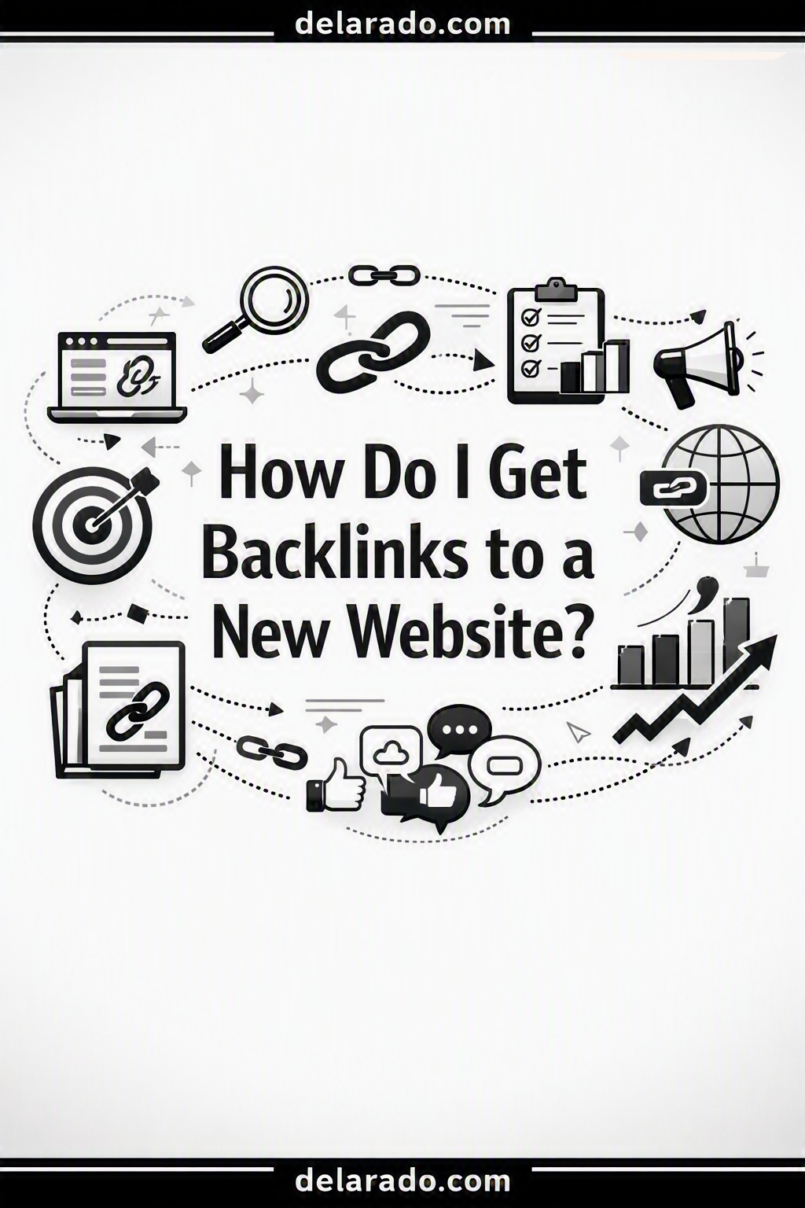
Backlinks are links from one website to another. For a new website, the most sustainable way to earn backlinks is to create resources worth referencing, build genuine relationships, contribute useful expertise, and make it easy for relevant websites to discover your content.
Do not think of backlinks as something to collect in large numbers. A small number of relevant, editorially earned links from trustworthy websites can be more useful than hundreds of random or low-quality links. Focus on creating content people genuinely want to reference.
Google defines link spam as creating links to or from a site primarily to manipulate rankings. Its examples include buying or selling links for ranking purposes, exchanging goods or services for links, and excessive link exchanges. [394]
Who Is This Topic For?
This guide is for new website owners, bloggers, affiliate marketers, small businesses, freelancers, consultants, local businesses, creators, eCommerce stores, nonprofits, and anyone looking to earn legitimate backlinks.
This Article Is Helpful If You Want To:
- Build authority for a new website
- Help search engines discover new pages
- Get referral traffic from relevant websites
- Improve visibility for useful content
- Promote a local business online
- Build a trusted affiliate or niche website
- Earn mentions from industry websites
- Create link-worthy resources
- Avoid harmful link-building shortcuts
- Understand ethical outreach and digital PR
What Is a Backlink?
A backlink is a hyperlink from another website to a page on your website. For example, if a local business directory links to your company website, that is a backlink. If a blogger links to your guide because it helps their readers, that is also a backlink.
Backlink Example
A web design blog publishes an article about starting a small business website and links to your “WordPress Website Launch Checklist” because it gives readers a practical setup resource.
Backlinks can help in several ways:
- They can send visitors directly to your website
- They can help search engines discover pages
- They may signal that other websites find your content useful
- They can build brand awareness
- They can lead to future partnerships and opportunities
However, not every backlink has the same value. A link should be relevant, natural, useful to readers, and placed in a meaningful context.
Why Backlinks Matter for SEO
They Can Help Search Engines Discover Pages
Search engines use links to discover pages across the web. When relevant sites link to your new content, it may be easier for search engines to find it.
They Can Bring Referral Traffic
A link on a related website can bring visitors who are already interested in your topic, product, service, or resource.
They Can Build Trust and Awareness
Being mentioned by a respected local organization, professional association, industry publication, partner, supplier, or relevant creator can increase awareness of your business.
They Support a Natural Website Profile
Useful websites are often linked to because they provide something worth sharing: a guide, original research, tool, checklist, example, case study, or helpful explanation.
They Can Support Long-Term Visibility
Relevant editorial links may support long-term SEO when they are earned naturally. They should never be treated as a substitute for helpful content, technical SEO, good user experience, and audience trust.
Backlink Risks and Limitations
Buying Links Can Create Risk
Buying links for ranking purposes is against Google’s spam policies. This includes paying for posts that pass ranking value or offering money, products, or services in exchange for links intended to influence rankings. [394]
Quantity Is Not the Goal
A large number of low-quality links from unrelated websites, spam directories, comment sections, link farms, or private blog networks is not a healthy long-term strategy.
Not Every Link Helps
Some links may be ignored by search engines. Others may provide no meaningful referral traffic. Focus on relevance and reader value instead of chasing every available placement.
Outreach Can Be Time-Consuming
Building relationships, creating resources, researching contacts, and writing personalized outreach takes time. Generic mass-email campaigns often receive poor results and can harm your reputation.
New Websites Need Patience
New websites may have few links at first. That is normal. Prioritize publishing useful content, building a clear site structure, and developing real relationships rather than seeking instant link volume.
Do Not Misrepresent Yourself
Do not pretend to be a customer, student, journalist, or independent reviewer to obtain a link. Be honest about who you are and why you are reaching out.
What Makes a Good Backlink?
A good backlink is generally one that makes sense for the reader. It appears on a relevant page, comes from a credible source, is placed naturally in useful content, and can potentially send interested visitors to your website.
Signs of a Useful Backlink
- The linking website is relevant to your topic or location
- The link appears in useful editorial content
- The link helps the linking site’s readers
- The page is accessible and not hidden behind spam
- The anchor text is natural and descriptive
- The link may send real referral traffic
- The website has a real audience or purpose
- The link is not part of a paid or manipulative scheme
Examples of Relevant Links
- A local chamber of commerce listing for a local service business
- A WordPress blog linking to a useful hosting comparison
- A business podcast linking to a guest’s website
- A nonprofit linking to a community sponsor
- A professional organization linking to a member profile
- A creator linking to an original research report
- A supplier linking to an approved service partner
- A local event page linking to participating businesses
Google recommends using crawlable links and descriptive, concise anchor text that is relevant to both the linking page and destination page. [208]
Step-by-Step: How to Get Backlinks
Step 1: Create a Website Worth Linking To
Before asking anyone for a link, make sure your website has something useful to offer. Few people want to link to an empty homepage, a thin affiliate page, or a generic sales page.
Build Essential Pages First
- Homepage
- About page
- Contact page
- Privacy Policy
- Terms of Use
- Service or product pages
- Helpful blog articles
- Clear affiliate disclosure, if relevant
- Local business information, if relevant
Build Trust Signals
- Clear business or author information
- Accurate contact details
- Professional design and readable pages
- HTTPS website security
- Real experience, credentials, or work examples
- Transparent policies and disclosures
- Updated information
People are more likely to link to a resource when they understand who created it and why it is trustworthy.
Step 2: Create Link-Worthy Content
Link-worthy content gives another website a reason to reference you. The best content is useful enough that it improves the other site’s page or helps its audience.
Link-Worthy Content Ideas
- Comprehensive beginner guides
- Original research or surveys
- Industry statistics with sources
- Free templates
- Checklists and worksheets
- Calculators and simple tools
- Local resource guides
- Case studies
- Step-by-step tutorials
- Original infographics
- Glossaries
- Expert interviews
- Comparison charts
Example
A new website about small business websites could create a free “Small Business Website Launch Checklist” with sections for domain setup, hosting, essential pages, SEO basics, security, contact forms, and legal policies. Local business groups, web design blogs, and business coaches may find it useful to share with their audiences.
Step 3: Build Strong Internal Links First
Internal links are links between pages on your own website. They do not replace backlinks, but they help visitors and search engines discover your important content.
Internal-Link Checklist
- Link new articles from relevant older articles
- Link supporting articles to pillar pages
- Link pillar pages to detailed supporting guides
- Use descriptive anchor text
- Make sure important pages have internal links
- Fix broken internal links
- Avoid linking only from navigation menus
Google recommends that every page you care about should receive a link from at least one other page on your website. [208]
Step 4: Get Listed in Legitimate Directories
Relevant directories can help a new business establish a basic online presence. Focus on directories that real people use or that are relevant to your location, profession, industry, or community.
Legitimate Directory Examples
- Google Business Profile for eligible local businesses
- Local chamber of commerce directories
- Professional association directories
- Industry-specific directories
- Local business directories
- Nonprofit partner directories
- Conference speaker directories
- University alumni business directories
- Local event sponsor pages
Directory Best Practices
- Use your real business name
- Use consistent contact information
- Choose relevant categories
- Write accurate descriptions
- Link to the most relevant page
- Avoid mass-submitting to low-quality directories
- Review listings periodically for accuracy
For local businesses, accurate listings can be useful even when the link itself is not a major ranking factor because they may create visibility and referral opportunities.
Step 5: Build Relationships in Your Niche
Relationship building is often more effective than cold link requests. Get to know people and organizations that serve a similar audience without directly competing with you.
Potential Relationship Sources
- Complementary businesses
- Local organizations
- Industry associations
- Professional communities
- Podcasts and newsletters
- Relevant bloggers and creators
- Community groups
- Suppliers and vendors
- Clients and partners
- Event organizers
Ways to Build Relationships
- Share and comment thoughtfully on useful work
- Attend local or online industry events
- Offer genuinely useful feedback
- Refer customers when appropriate
- Collaborate on educational resources
- Interview experts for your content
- Contribute helpful ideas to a community
- Support local organizations and events
Build relationships because they are valuable, not only because you want a link.
Step 6: Create Useful Resource Outreach
Resource outreach means contacting a relevant website because you have a page that may genuinely improve one of its existing articles or resource lists.
Good Outreach Targets
- Resource pages
- Beginner guides
- Local business resource lists
- Educational pages
- Industry tool lists
- Community support pages
- Pages with outdated resources
- Articles that reference a topic you cover in greater depth
Outreach Email Example
Subject: Resource suggestion for your WordPress beginner guide
Hello [Name],
I found your guide about starting a WordPress website and found the section on planning a new site especially useful. I recently created a free WordPress Website Launch Checklist that covers domain setup, hosting, essential pages, security, and basic SEO.
If you think it would help your readers, you are welcome to include it as an additional resource. No pressure at all—thank you for creating a helpful guide.
Best,
[Your Name]
Outreach Best Practices
- Personalize every message
- Explain why the resource is relevant
- Keep the message short
- Do not demand a link
- Do not send mass automated emails
- Do not misrepresent your relationship or intentions
- Respect a non-response or rejection
Step 7: Guest Contribute Carefully
Guest posting can help you share expertise with a new audience when it is done selectively and for real editorial value. The goal should be to contribute a useful article—not to place keyword-rich links at scale.
Good Guest Contribution Opportunities
- Industry publications
- Professional blogs
- Local business publications
- Partner newsletters
- Community websites
- Expert roundups
- Educational platforms
- Podcasts with show notes
Guest Content Guidelines
- Write original content
- Match the publisher’s audience
- Follow editorial guidelines
- Link only where it adds genuine reader value
- Use natural anchor text
- Do not submit the same article to many sites
- Do not use guest posting only for backlinks
Google’s spam policies include large-scale article marketing or guest posting campaigns with keyword-rich links as examples of link spam when the main purpose is manipulating rankings. [394]
Step 8: Use Digital PR and Expert Contributions
Digital PR involves creating newsworthy information, sharing expertise, participating in interviews, or providing useful commentary that journalists, bloggers, podcasts, newsletters, and industry publications may reference.
Digital PR Ideas
- Publish an original survey
- Share local industry data
- Create a useful annual report
- Offer expert commentary on a relevant topic
- Contribute to journalist source requests
- Host an expert interview series
- Publish a local community resource
- Share a case study with permission
- Create a timely educational guide
Example
A local web design business could survey 100 local business owners about website challenges, publish the findings with clear methodology, and offer the report to local business publications, chambers of commerce, and marketing newsletters.
Only publish original research when you can explain how you collected information and avoid presenting weak or misleading data as definitive evidence.
Step 9: Reclaim Unlinked Brand Mentions
Sometimes another website mentions your business, product, research, image, or founder without linking to your website. You can politely ask whether they would consider adding a relevant source link.
Examples of Unlinked Mentions
- Your business name appears in an article
- A publication quotes you without linking to your site
- A website uses your original graphic with attribution but no link
- A partner mentions your event or project
- A customer case study mentions your work
Simple Request
Thank you for mentioning [Business Name] in your article. Would you consider linking the mention to our website so readers can find the original resource and current information?
Be polite and understand that the publisher may decline.
Step 10: Turn Partnerships Into Useful Mentions
Real business relationships can naturally lead to relevant links and referrals.
Potential Partnership Opportunities
- Supplier and vendor pages
- Client case studies
- Partner resource lists
- Event sponsor pages
- Community organization pages
- Webinar co-hosting pages
- Podcast show notes
- Industry association memberships
- Professional certification listings
Do not require a link in exchange for a product, service, sponsorship, or partnership if the purpose is to manipulate rankings. Any paid or compensated promotion should follow applicable disclosure requirements and use appropriate link attributes where relevant.
Step 11: Monitor Your Backlink Profile
Use a backlink tool to understand which websites link to your pages, what content earns mentions, and whether important links disappear.
Monitor:
- New backlinks
- Lost backlinks
- Most-linked pages
- Referring domains
- Anchor text patterns
- Competitor backlink sources
- Unlinked mentions
- Potential spam patterns
Do not panic over every unfamiliar or low-quality link. Focus on creating a strong, natural profile through useful content and legitimate relationships.
Backlink Ideas by Website Type
For Local Businesses
- Google Business Profile
- Chamber of commerce listings
- Local business directories
- Community event sponsorship pages
- Local nonprofit partner pages
- Local news or business publication features
- Supplier and partner directories
- Neighborhood resource guides
For Affiliate Websites
- Original product testing resources
- Comparison tables and buying guides
- Beginner checklists
- Industry roundup contributions
- Expert interviews
- Guest educational content
- Original surveys or data resources
- Free templates and tools
For Freelancers and Consultants
- Client case studies with permission
- Professional directories
- Podcast appearances
- Guest expert articles
- Industry community profiles
- Webinar partnerships
- Training or certification profiles
- Co-created educational resources
For Bloggers and Creators
- Original tutorials
- Downloadable templates
- Expert interviews
- Podcast collaborations
- Newsletter features
- Useful content roundups
- Original research
- Community resource pages
Programs That Can Help
Google Search Console
Google Search Console can help you monitor how Google sees your site and review links reported in its Links report. It is also useful for identifying pages that are indexed and receiving search impressions.
SE Ranking
SE Ranking can help analyze backlinks, referring domains, competitors’ link profiles, lost links, anchor text, and pages that earn links. Use it to research opportunities, not to automate manipulative link building.
Ahrefs and Semrush
Ahrefs and Semrush can help research backlinks, competitor link profiles, content gaps, referring domains, broken link opportunities, and unlinked mentions. Choose a tool based on your budget and actual workflow.
Google Alerts
Google Alerts can help you monitor mentions of your brand, name, product, or topic. It may help identify unlinked mentions or conversations where your expertise is relevant.
HARO Alternatives and Journalist Query Platforms
Journalist-source platforms can connect experts with reporters seeking comments. Respond only when you have relevant expertise and can provide accurate, useful information.
Canva
Canva can help create checklists, infographics, reports, social graphics, and visual resources that make your content more shareable and easier for others to reference.
Google Sheets or Notion
Google Sheets and Notion can help track outreach targets, contact details, resource pages, partnerships, follow-ups, backlinks earned, and content ideas.
Common Backlink Mistakes
Buying Backlinks
Do not buy links for ranking purposes. Paid links intended to manipulate rankings violate Google’s spam policies and can create unnecessary risk. [394]
Using Link Farms and Private Blog Networks
Networks built primarily to create artificial backlinks can be low quality and risky. Focus on real websites with real audiences and a genuine reason to reference your content.
Sending Mass Generic Outreach Emails
Generic “please link to my article” emails usually fail because they do not explain why your content is relevant to the recipient’s audience. Personalize outreach and offer a real resource.
Asking for Links Before Creating Value
Build useful content first. A checklist, guide, template, original survey, case study, or tool gives people a reason to link.
Using Keyword-Stuffed Anchor Text
Do not force exact-match keywords into every link. Natural, descriptive anchor text is more helpful for readers and avoids manipulative patterns.
Ignoring Internal Links
External backlinks are valuable, but internal links are fully under your control. Make sure important pages are linked from relevant pages on your own site.
Targeting Irrelevant Websites
A link from a relevant local organization, industry publication, or complementary business is generally more meaningful than an unrelated link from a random website.
Not Tracking Referral Traffic
Do not judge backlinks only by SEO metrics. Check whether links send visitors, create leads, build relationships, or increase brand visibility.
Frequently Asked Questions
What is a backlink?
A backlink is a hyperlink from another website to a page on your website. It can send referral visitors and help search engines discover your content.
Do backlinks still matter for SEO?
Relevant backlinks can still be useful because they may help search engines discover pages and indicate that other websites find a resource worth referencing. However, backlinks are only one part of SEO. Content quality, relevance, technical health, internal linking, and user experience also matter.
How many backlinks does a new website need?
There is no required number. Focus on earning relevant, natural links over time rather than chasing a specific backlink count.
Can I buy backlinks for my new website?
No. Buying links for the purpose of improving search rankings can violate Google’s spam policies. Focus on creating useful content and earning links through legitimate relationships and editorial value. [394]
What is the easiest way to get backlinks?
For many new websites, start with legitimate business or professional listings, create a useful resource, build internal links, develop relationships with relevant people, and share your content where it genuinely helps an audience.
Are directory links good for SEO?
Relevant, legitimate directories can be useful for visibility, referrals, and local business information. Avoid mass-submitting your website to low-quality directories created mainly for links.
Should I exchange links with other websites?
Natural links between relevant sites can make sense when they help readers. Avoid excessive reciprocal linking or “link to me and I will link to you” arrangements intended mainly to manipulate rankings.
Can guest posts help me get backlinks?
Guest content can help when you contribute original, useful material to a relevant publication and links are included naturally for reader value. Avoid large-scale guest posting campaigns designed primarily to insert keyword-rich backlinks. [394]
How long does it take to get backlinks?
It varies. Some listings and partnerships may produce links quickly, while earning editorial mentions often takes time, consistent content creation, outreach, and relationship building.
Do nofollow links have value?
Links with attributes such as nofollow may still send referral traffic, build awareness, create relationships, and help people discover your website. Do not judge every link only by whether it appears to pass SEO value.
What should I do if spam websites link to me?
Do not panic over every unwanted link. Focus on building a useful website and earning natural links. If you believe there is a serious pattern of manipulative links connected to your site, review Google’s current guidance or seek qualified SEO assistance before taking action.